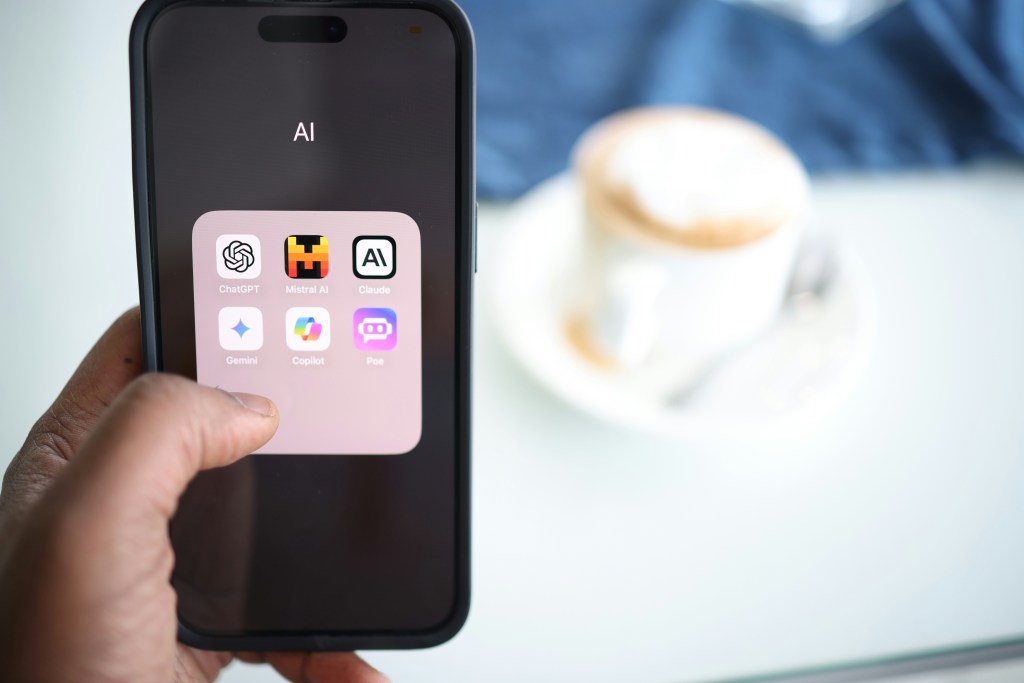
Artificial Intelligence (AI) has already transformed the way we live and work—but this is just the beginning. Tools like ChatGPT have shown us how powerful AI can be in assisting with communication, creativity, and problem-solving. As we look ahead, the future of AI promises even more revolutionary changes that will reshape industries, education, and our daily lives.
How ChatGPT and AI Are Evolving
1. Smarter and More Human-Like Conversations
AI models like ChatGPT are rapidly improving their ability to understand context, emotions, and nuance in conversations. Future iterations will likely move beyond answering questions to holding complex, natural conversations that feel almost indistinguishable from talking to a person.
- What’s coming next? AI chatbots that can remember past conversations, understand tone better, and even adapt to your communication style for highly personalized interactions.
2. AI That Learns Continuously
Currently, AI like ChatGPT is trained on massive datasets but doesn’t learn after deployment. In the future, AI may gain the ability to learn continuously while interacting with users—improving in real time and adapting to new information without needing complete retraining.
3. Integration Into Everyday Life
AI won’t just live in our browsers and apps; it will become embedded in every aspect of life:
- In Education – Personalized AI tutors that adapt to each student’s learning style.
- In Workplaces – AI assistants that manage projects, draft documents, and handle customer service seamlessly.
- In Homes – Smart home systems that anticipate your needs before you ask.
ChatGPT and similar tools will likely become “co-pilots” for almost everything we do.
4. Creative AI Will Break New Ground
AI creativity tools are already helping people write stories, compose music, and create art. Future versions of ChatGPT may collaborate with users on larger creative projects like screenplays, games, or even scientific research—blurring the line between human and machine creativity.
5. Multimodal AI: Beyond Text
The next generation of AI will not be limited to text. It will combine text, voice, images, and even video to offer richer experiences. Imagine an AI that can:
- Read a document aloud in a natural voice.
- Summarize a video in seconds.
- Generate an image or diagram to explain a complex idea.
OpenAI and other tech companies are already developing multimodal systems that could make this a reality.
Challenges and Ethical Questions
As AI becomes more powerful, new challenges will emerge:
- Privacy Concerns – How much data should we allow AI to access?
- Bias and Fairness – Will future AI be trained in a way that eliminates harmful biases?
- AI Dependence – Will people become too reliant on AI tools for thinking and decision-making?
- Job Disruption – As AI takes on more tasks, how will we adapt to changes in the workforce?
Developers and policymakers will need to work together to create ethical guidelines and ensure AI benefits everyone.
The Road Ahead
The future of AI and ChatGPT is both exciting and uncertain. These technologies have the potential to:
- Empower creativity and innovation.
- Automate tedious tasks, freeing up time for humans to focus on meaningful work.
- Help solve global challenges in healthcare, education, and climate change.
But they also come with responsibilities. As AI grows more advanced, it’s up to us to ensure it’s used ethically, safely, and for the greater good.
AI isn’t here to replace humans—it’s here to collaborate with us in building a smarter future.
Are you ready to let AI help you take the next step in your career? Subscribe to AFS for fresh insights and practical guides.
 AI for Success
Leave a comment